
Materiality Assessment
What you focus on – and don’t focus on – is core to a successful strategy. Our materiality assessments identify the sustainability issues that matter most, giving your company a guide to internal action and public disclosure alike.

Understanding Materiality Approaches
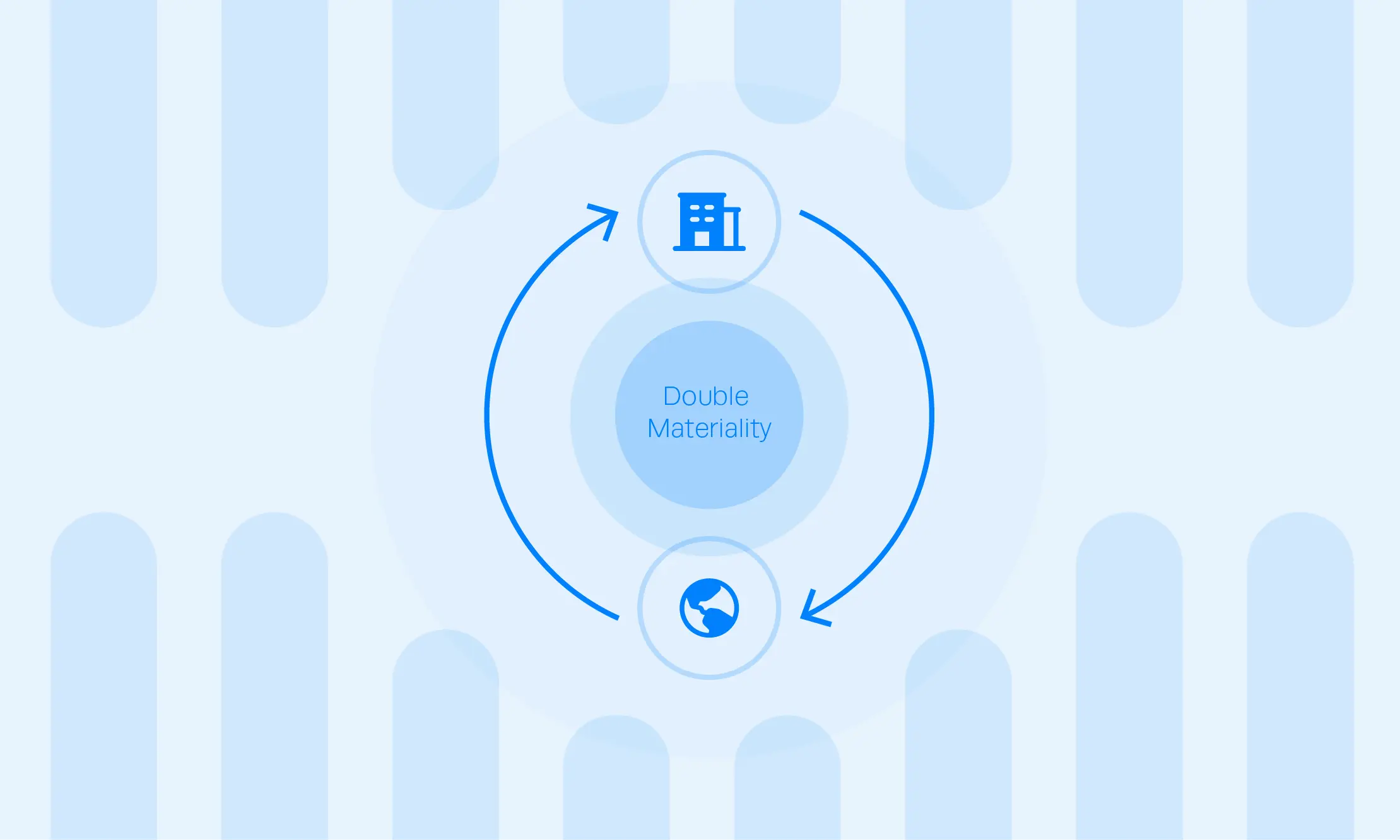
Double Materiality Assessment
Identify the sustainability issues that are material to your business from either a financial perspective (“outside in”) or an impact perspective (“inside out”)
-
 Required for companies subject to the Corporate Sustainability Reporting Directive (CSRD)
-
Quickly becoming best practice, even for companies not required to comply with CSRD
-
Gathers inputs from desk research and stakeholder engagement, as needed
-
Assesses impacts, risks, and opportunities (IROs) in line with the topics from the European Sustainability Reporting Standard (ESRS) or entity-specific topics, as appropriate
-
Results in a list of material topics and material IROs to guide strategy and CSRD or voluntary reporting
 Required for companies subject to the Corporate Sustainability Reporting Directive (CSRD)
  Quickly becoming best practice, even for companies not required to comply with CSRD
  Assesses impacts, risks, and opportunities (IROs) in line with the topics from the European Sustainability Reporting Standard (ESRS) or entity-specific topics, as appropriate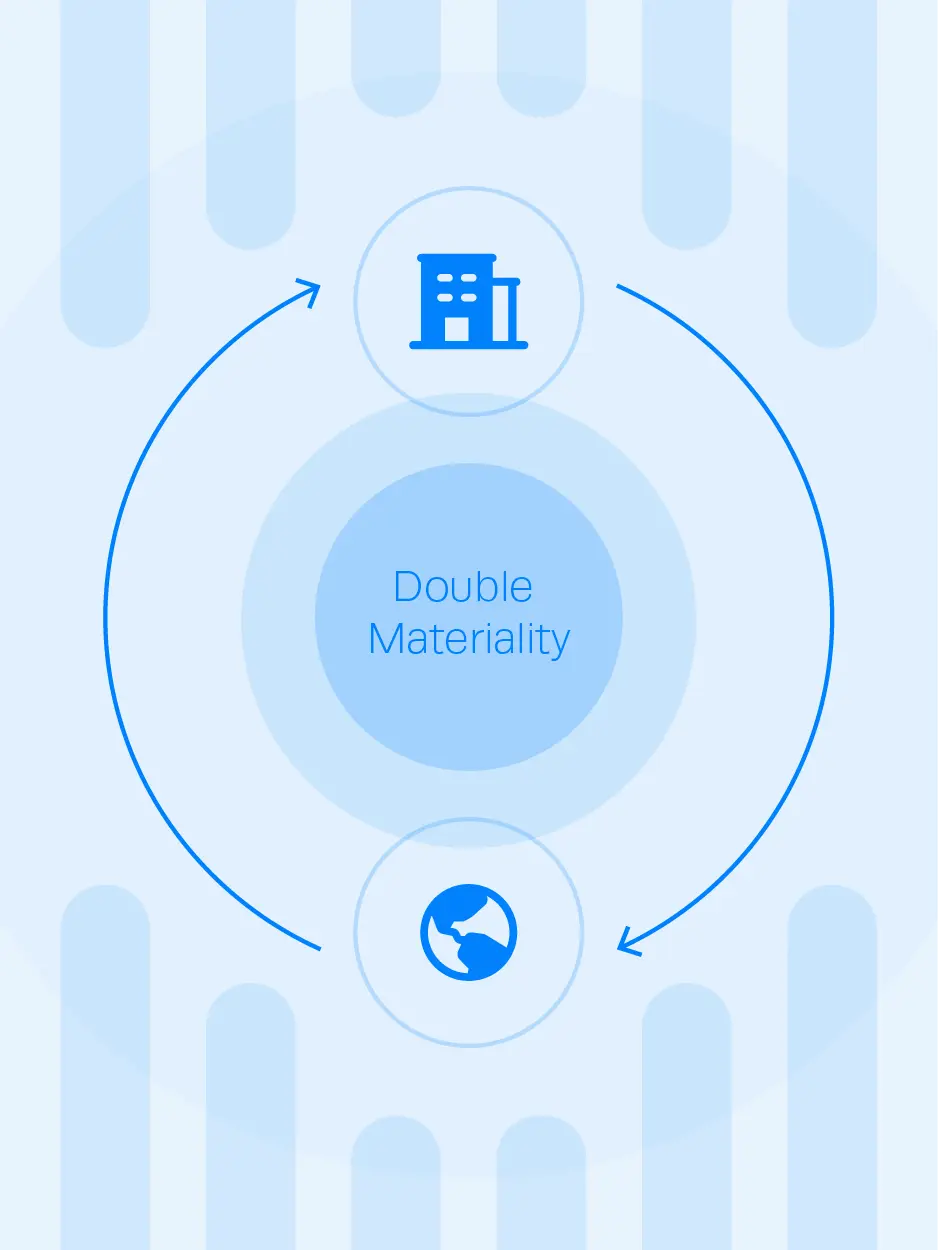
Traditional Materiality Assessment
Identify sustainability issues that are material primarily from a financial perspective
-
Flexible materiality approach without the strict requirements of a CSRD-compliant analysis
-
Assesses topical importance informed by the Global Reporting Initiative (GRI) Standards, Sustainability Standards Accounting Board (SASB) Standards, and ESG data raters
-
Gathers inputs from desk research and stakeholder input, as needed
-
Results in a list of material topics to guide strategy and voluntary reporting
 Flexible materiality approach without the strict requirements of a CSRD-compliant analysis
  Assesses topical importance informed by the Global Reporting Initiative (GRI) Standards, Sustainability Standards Accounting Board (SASB) Standards, and ESG data raters

How Our Materiality Processes Work
Identify stakeholder input to assess

Conduct desk research to gather perspectives from investors, leading peers, customers, NGOs, and/or industry associations

Determine issues that are most fully reported or requested by stakeholders

Conduct interviews and surveys with stakeholders– such as company leaders, key customers, and employees

Compile results and insights in priority order

Providing Clarity
The results of a materiality assessment create a clear and common understanding of sustainability priorities within your company that allow for:

Strategic Policy Alignment
The development of effective and pointed policies, in line with important stakeholders, including customers, investors, employees and more.

Monitoring & Metrics
The creation of systems to properly collect and monitor progress on key performance indicators for each material issue

Organizational Buy-In
Getting buy-in across the company for proper investment, governance, training, and implementation

A materiality assessment is the compass that ensures sustainability strategies focus on what matters most—both to stakeholders and long-term business value. By prioritizing the most significant impacts, risks, and opportunities, companies can align resources with purpose and resilience.
Louis D. Coppola
Chief Executive Officer & Co-FounderKey Things to Know About A Materiality Assessment
Key participants can include internal leadership teams, employees, investors, customers, suppliers, regulators, and community representatives. Involving diverse perspectives ensures the results are balanced and credible.
It is best practice to refresh the assessment every two or three years. Major shifts in strategy, regulation, or market conditions may warrant more frequent assessments. This ensures relevance and responsiveness to evolving sustainability issues.
Typical methods include stakeholder surveys, interviews, workshops, peer benchmarking, and data analysis of industry trends. Digital tools and AI are increasingly used to streamline and validate findings.
Many companies prefer to share the results with a materiality matrix, a visual plot showing issues by importance to stakeholders and business impact. Increasingly, heat maps, value chains and dashboards are also used for more dynamic communication.
It provides the foundation for determining which topics to disclose in sustainability reports, ensuring alignment with frameworks like GRI, SASB, TCFD, IFRS and ESRS. It also supports target-setting and risk management.
Yes. Especially for companies at a smaller scale, materiality helps prioritize limited resources, focus ESG initiatives, and build trust with stakeholders such as customers and investors.
What's the bottom line?
Whether you issue a voluntary sustainability report or are subject to mandatory sustainability reporting, our materiality assessments connect the dots between the leading standards and your business case to strengthen the return on investment, relevance and credibility of sustainability programs.
Let's start a conversation.
related Services
Explore what else G&A can offer















Understand what’s shaping sustainability.
Dive into blog posts that break down trends and emerging issues.
Explore the Blog
 October 15, 2025