
June 30, 2021
Considerations for Issuer Disclosure and Omissions as ESG Reporting
What Should Companies Consider When Disclosing—or Omitting—ESG Information?
Executives face increasing pressure to ensure ESG disclosures are accurate, material, and aligned with both investor expectations and regulatory requirements.
Key Context
In corporate financial reporting, decisions about disclosure often revolve around materiality: would including—or omitting—specific information influence an investor’s decision to buy, sell, or hold? This principle is rooted in long-standing securities law. The Securities Exchange Act of 1934 established that material misrepresentations or omissions in proxy statements are prohibited, setting the foundation for today’s ESG disclosure discussions.
What You’ll Learn
This Issue Brief explores the implications of ESG disclosure and nondisclosure for public companies. You’ll gain insight into how investor expectations are shaping corporate reporting, why omissions can pose as much risk as misstatements, and how evolving SEC requirements intersect with ESG practices. The paper provides guidance for executives and managers navigating these challenges to ensure reporting is both transparent and defensible.
Support
Need help strengthening ESG disclosures for investors and regulators? Explore our Corporate Sustainability Reporting support.
Download Now

Related Resources
Find What You Need. Learn Something New.
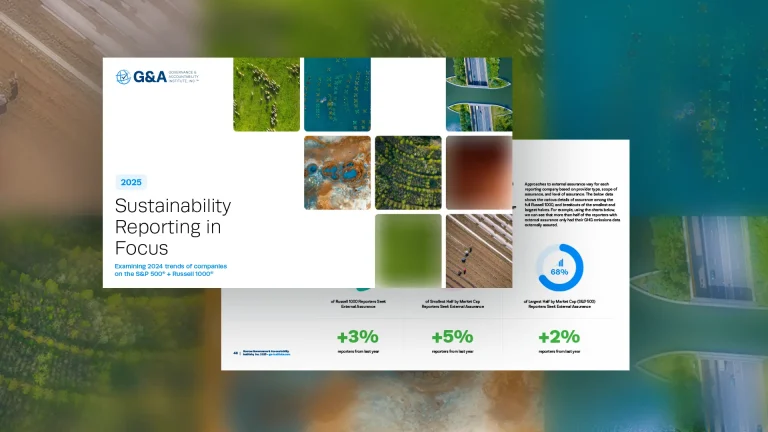
 October 15, 2025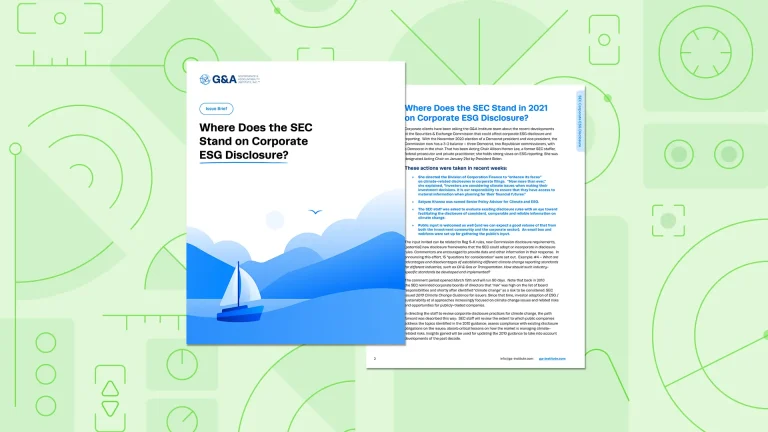


Build your sustainability strategy.
Chat with our experts to get started on your journey.
Get Started